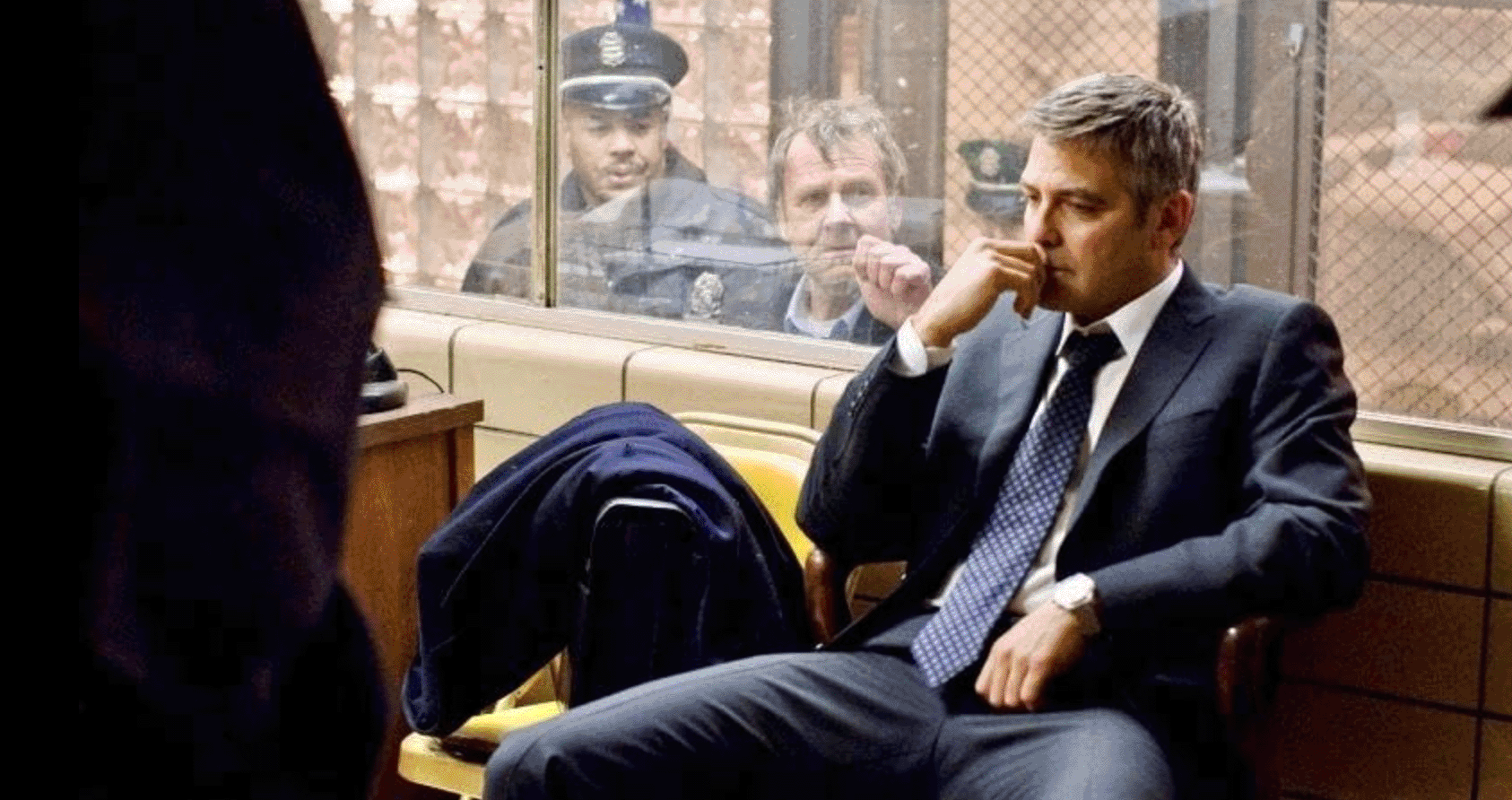


Michael Clayton
rewatched 2026 March 7th
This review may contain spoilers.
I have easily seen Michael Clayton over a dozen times since it debuted, maybe close to two dozen times. What makes me watch Michael Clayton over and over again, and over again? I’ve known actual people who have done this actual kind of work that Michael does. Call them fixers or janitors, or garbage handlers, but one thing is certain, they solve problems and they do it well despite all the horrible things they must endure. Maybe I enjoy seeing Michael solve problems, through instinct or calculated decisions. I also enjoy the relationship between Michael and Arthur, throughout all of Arthur’s challenges with mental health. I love seeing Michael as a helper and rescuer—Michael Clayton, an obvious St. Michael connection further reinforced by Clayton’s disappearing (and then reappearing) act at the movie’s conclusion.
The struggles Michael has on the job are challenges many of us face: respect or a lack of respect, long and difficult hours, getting paid enough versus paid what you’re really worth, strengthening teamwork through collegiality. The family elements in Michael Clayton also feel genuine, and relatable. And then, the mega-company at the center of the conflict, UNorth, an affront to humanity, with Nebraska popping up in one particular memo. I relate to all the above and it holds my attention through the whole movie, especially the Nebraska angle since I’m from there. But there’s far more to this movie beneath the surface, putting it right up there with The Verdict, another great legal thriller/mystery which has a truly inspiring line, “This is the case. There are no other cases,” Paul Newman says as Frank Galvin.
Where does Michael Clayton stand among other legal thrillers?
Yes, The Verdict is wonderful (and sure, some call The Verdict the best legal thriller ever made). In that movie, Paul Newman’s performance is staggeringly great plus the courtroom drama and backstory are gripping, showing us evil men and the damage inflicted. But Michael Clayton depicts corporate greed & evil, part of the late 20th century and very much a part of the early (and our current) 21st century: big business & insane amounts of money, stockholders & executives, the entitled.
The Verdict depicts a small group of powerful men damaging lives in a small town, hidden among a small population. Michael Clayton shows us a vast, big business with sinister power, in pursuit of absolute domination and absolutely big profit margins.
The Verdict feels like Mayberry, while the damages we see in Michael Clayton stretch across our country and across land masses.
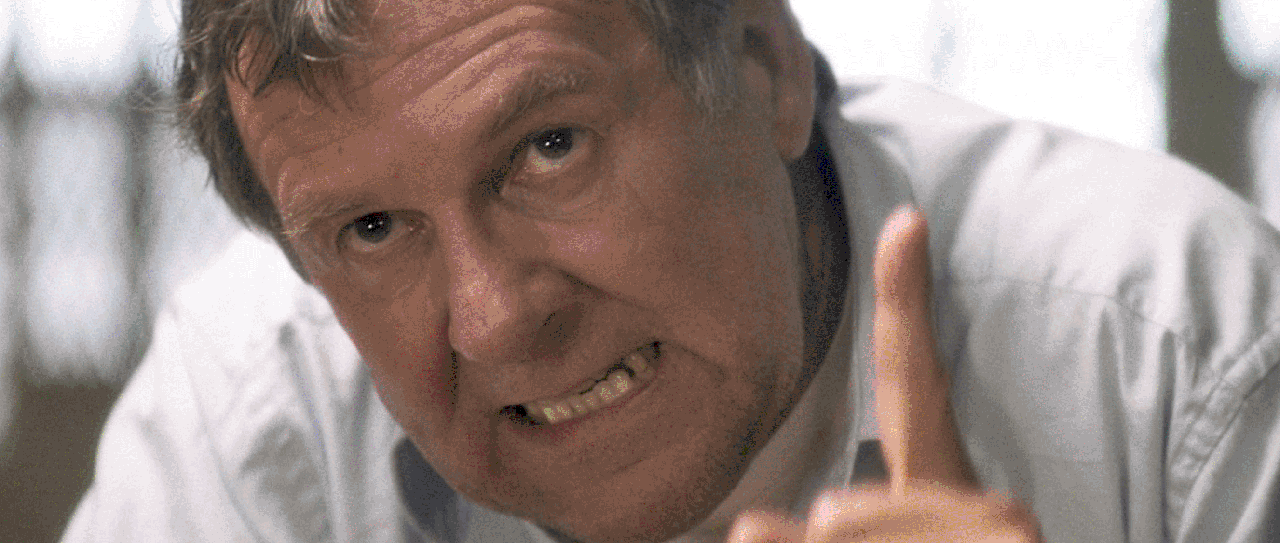
The delicate and tender moments in Michael Clayton are touching and memorable. Arthur Edens, played by the amazing Tom Wilkinson, is being attended to by Michael who can neither control nor fully care for Arthur. At one point, Michael calls Arthur “a maniac attorney” in front of Michael’s son at that. Despite that moment, and other times we see Michael lose his patience, I genuinely want to believe that Michael cares for and loves Arthur.
But Michael has neither the time nor energy nor love for his own brother Timmy. We never see Michael working to mend the relationship with Timmy, but Michael is working on things with Arthur, a manic depressive as he’s labeled. Does Michael believe he can save or help Arthur because of his duty to the firm, or because Michael really does care about Arthur? I don’t need to know why Michael is helping, I connect to the fact that Michael is trying to help and he’s invested in the process.
Michael Clayton (2007) brought mental health to the screen before Silver Linings Playbook (2012).
While mental health might seem like a small part of Michael Clayton it is a through line, and important because of how it depicts Michael’s relationship with Arthur who is coping with things out of his control as best as he can, with or without the benefit of medication, and ofttimes with support that Michael provides. Michael being there and listening to Arthur might seem inconsequential but it’s not, for Michael it feels like more than just a job, Michael seems to care.
When it comes to his own problems, Michael owes money, doesn’t own the car he drives (it belongs to the firm, which makes its destruction comical in some ways), he has a failed restaurant venture, is divorced, he’s also a gambler. Trapped in an absurd and self-induced hamster wheel of making money and then giving it to others, Michael the fixer does work nobody else can and he does it because he has to, he’s also reliable and dedicated, and a great fixer. But in the end, Michael will neither get the recognition nor pay he deserves because the fixer is invisible, kind of like a saint but not really.
An older version of this review appears on Letterboxd.